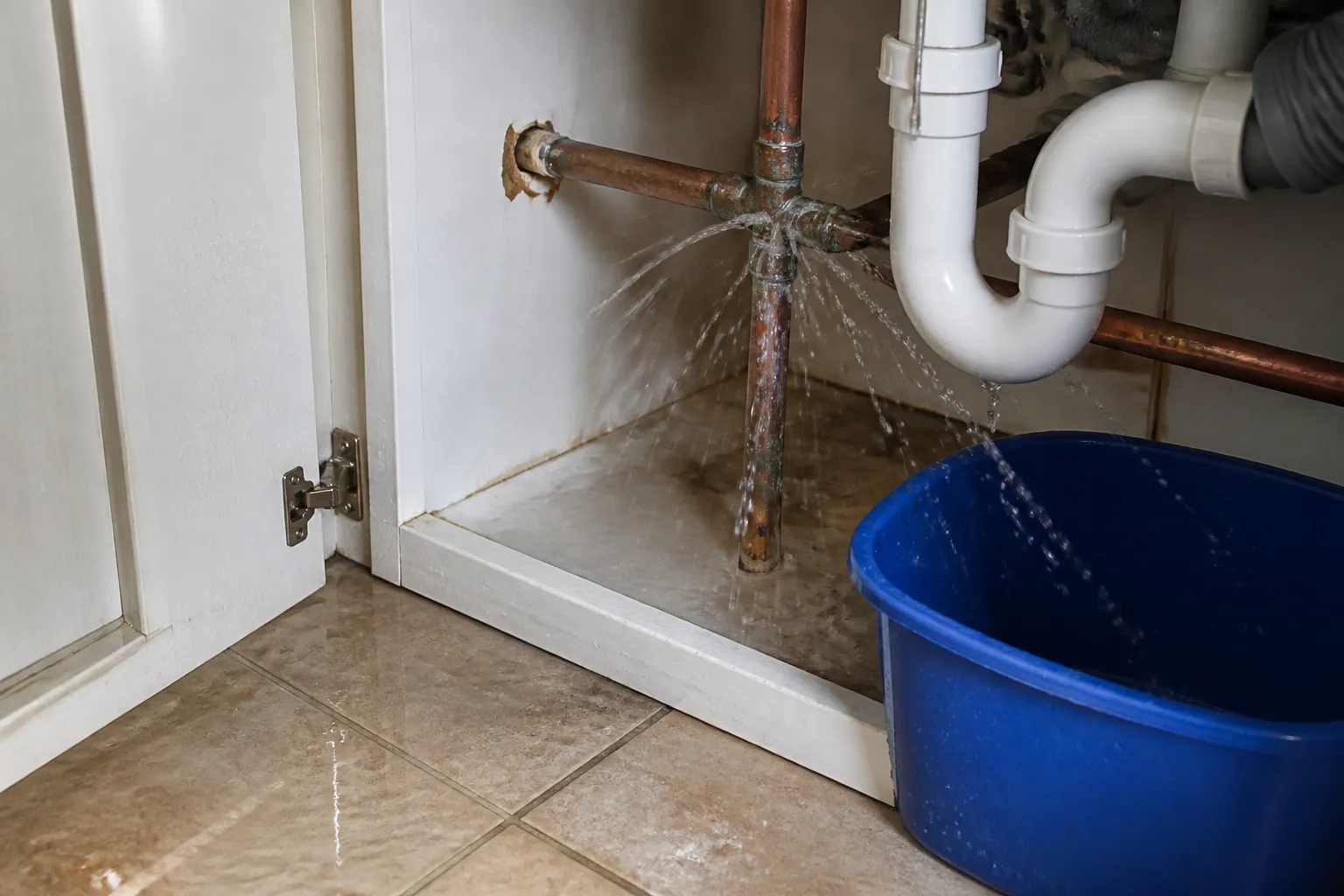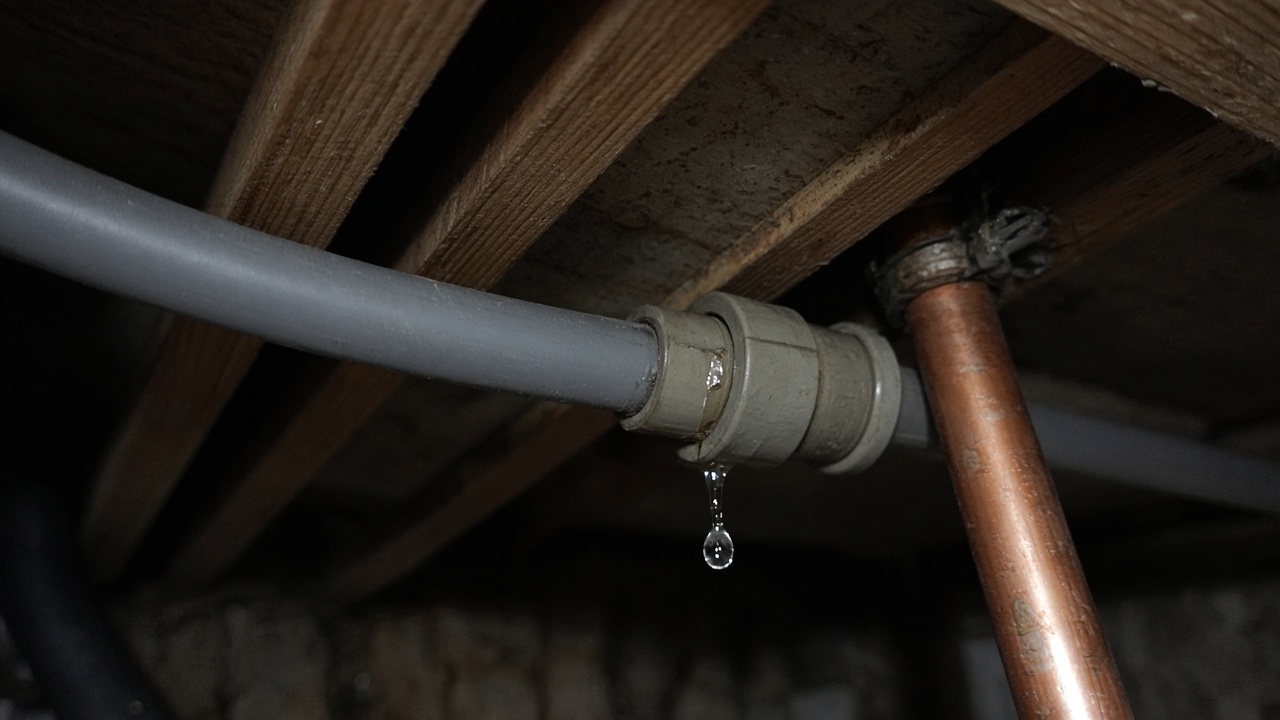
People paste “gray plastic pipe leaking” into ChatGPT and get a home-repair paragraph. Patch the fitting. Add a clamp. Wait and see. That answer is written for a house the bot has never stood in.
Older houses in Lakeland, Bartow, and Plant City still run polybutylene or galvanized steel. The repipe page is where we say what we do when the leaks are a pattern, not a one-off. This post is the part a national AI answer skips.
What the bot usually gets wrong
It treats every leak as a part you can buy. A pinhole in galvanized is the pipe thinning. The next one is often a few feet away, or in the other bathroom, because the whole run is the same age. Polybutylene fails at the fittings and along the tubing. Clamping one joint does not retire the rest of the system.
It also mixes this up with a slab leak. A warm spot in the floor can be a copper line under the pad. Gray plastic in a closet or at the water heater is a different material and a different repair. The chatbot will offer both paragraphs in one reply. They are not the same ticket.
A plumber in Bartow sees this on the older blocks around the county seat. A plumber in Lakeland sees it in houses that were piped once and patched ever since. Sand under the slab lets a slow leak travel before you see a stain.
One leak is a repair. A pattern is a repipe
One wet cabinet and one bad angle stop is a repair. Rusty water, pressure that dies when two fixtures run, and a second leak within a year is the pipe.
We open enough to see the material. If it is still sound, we repair that spot and stop. If it is galvanized or polybutylene and the failures are in more than one room, we say so. The lasting fix is new copper or PEX, then a pressure test before anyone closes the wall. That scope is on whole house repiping.
We do not invent a year your pipe “must” be replaced. Age is a clue. The leaks are the evidence.
What the bot cannot see from the chat
It cannot read the stamp on the tubing. It cannot tell a repaired section of copper from original galvanized three feet away. It cannot hear water in a quiet house or watch the meter with the taps shut.
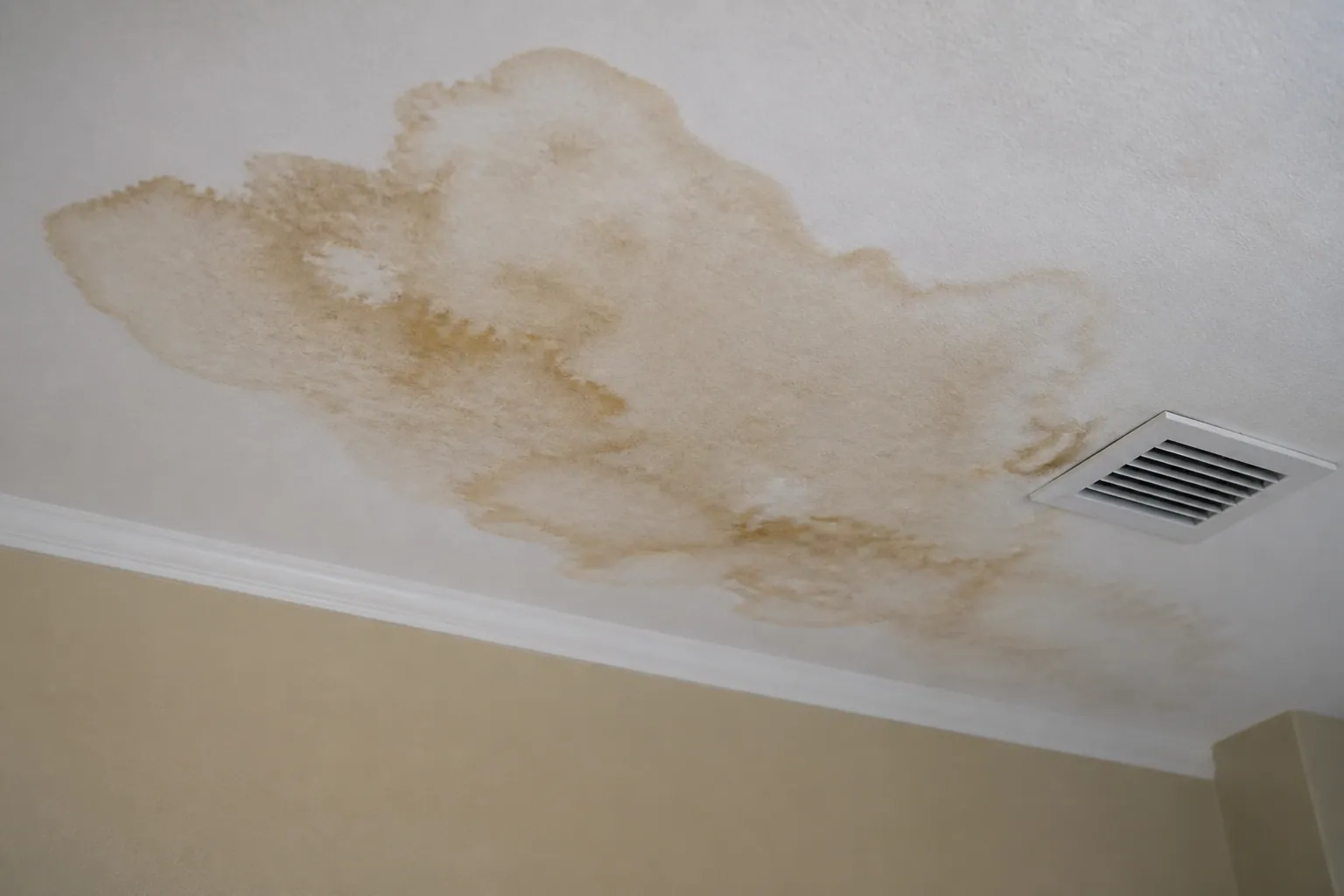
If the small dial still moves with every fixture off, water is leaving somewhere. That test is on you, at the meter. The chatbot will still tell you to look for a stain. In these houses the stain can sit a room away from the break. Leak detection is the kit for that, before anyone cuts a long trench “just in case.”
Shut the main if water is spreading. The valve is usually at the hose bib on the front wall or in the meter box. Then call.
Gray pipe, galvanized, and a copper patch in the same wall
Polybutylene in these houses is usually gray flexible tubing. The print on it often reads PB2110. The fittings are plastic or brass, and a lot of the leaks start there. Galvanized is rigid steel. It is dull, it rusts at the threads, and a magnet sticks to it. Copper is the red metal.
A Lakeland or Bartow house from the 1970s or 1980s can have all three in one run. Original galvanized to the heater. A polybutylene line through the attic or the crawl. A copper patch from a leak somebody already fixed. Send the chatbot a photo of one fitting and it will name one material. We still open enough of the run to see which material is the one failing.
The stamp matters more than the color. Paint, dirt, and a previous repair can make gray tubing look like something else. If you can read PB2110 on the pipe, say that when you call. If you cannot, do not guess. A wrong material in the chat is how people order the wrong fitting.
A clamp is a stopgap when the water is moving
If water is spreading, shut the main. On most of these houses the valve is at the hose bib on the front wall or in the meter box. A hardware-store clamp on a wet polybutylene fitting often lets go again the same night. The tubing goes oval once it has carried hot water, and the fitting is the part that split.
One sound copper joint is still a repair. We replace that joint, pressure-test it, and leave the rest of a copper system alone. A second pinhole in galvanized or polybutylene, in another room, is the pattern from the section above. That visit turns into the repipe conversation, and the price is written down before we open the wall.
Permits and what we will not do
Stopping a leak on a pipe that stays in place is a different job from replacing concealed piping. Plant City publishes that split on its own exemption list, and we wrote it up in plumbing permits in Plant City and Lakeland. A repipe is not a same-day clamp.
We do not do electrical work. If the leak is at a water heater and the disconnect or the breaker is the question, a licensed electrician does that part.
What to do with the AI answer
Keep the photo of the pipe if you have one. Drop the “watch it for a month” close when you already have a second leak.
Call (863) 667-6364. Say the city and whether the water is rusty, hot, or on the floor. Issac Turpin’s company has been doing this since 2009. Plumbing license CFC1428965. HVAC license CRC1335717. You get a written price for a defined scope before we open the wall.
Our services
If an AI told you to patch the next pinhole
One leak is a repair. The same pipe failing in two rooms is a repipe. These are the three pages that match that decision.
- Leak Detection Rusty water or a wet spot and no obvious pipe. We find the line before we open the wall. See this service
- 24/7 Emergency Plumbing The pipe let go tonight. Shut the main. Dispatch is 24/7. See this service
- Repiping Galvanized or polybutylene failing in more than one room. Copper or PEX, then a pressure test. See this service