


Mulberry Repipe. A whole-home repipe in Mulberry: why repipes are the number one fix for leaks, attic routing, red and white color-coded lines, and shutoffs at every fixture.
Read the transcript ▼
most important reason for re-pipes is it's the number one way to fix the leaks most efficient way running pipes through the attic getting them to the source a lot quicker also we're able to identify the hot and cold pipes by red and white pipes makes a lot easier if you ever need to make a repair we're going to be adding in shut offs under every single fixture shutoffs to keep water off in that fixture if ever not needed you
Repiping Services in Central Florida
Repiping replaces every water supply line in your house with new pipe. Homes need it when leaks keep coming back, water runs rusty, or pressure drops at every fixture at once.
We repipe houses across Lakeland, Plant City, Winter Haven and the rest of Polk and eastern Hillsborough County. True Plumbers & AC has been doing this work since 2009 under Florida plumbing license CFC1428965.
A repipe is a planned job, not an emergency, and that is the point of doing it. Once you are patching the same wall twice a year, you are paying for a repipe in instalments and still living with the old pipe. If you are already mopping up, start with emergency plumbing and we will talk about the repipe once the water is off.
Signs Your House Needs a Repipe
One leak is a repair. A pattern is a repipe. What separates them is whether the failures are showing up in one spot or all over the house, and the list below is what we ask about on the phone. Our blog walks through the same ground in 5 signs your property needs repiping.
- Leaks in more than one room, or the same line failing again after a repair.
- Rusty, yellow or brown water, especially first thing in the morning.
- Low pressure at every fixture rather than one bad faucet.
- Visible corrosion, green crust or flaking on exposed pipe in the garage or under sinks.
- A metallic taste or a smell that does not clear after running the tap.
- Repeat slab leaks, which usually mean the buried supply lines are at the end of their life.
- Grey plastic pipe with crimped metal bands at the fittings, which is polybutylene.
What Older Lakeland and Plant City Houses Are Running On
Three materials account for most of the repipes we quote in Polk County, and the age of the house usually tells you which one you have before we open a wall.
Galvanized steel. Standard in houses built before the 1980s. It rusts from the inside, so the pipe narrows year after year until the shower is a trickle and the water comes out orange. You cannot clean it out. Once it is closing up, the pipe is finished.
Polybutylene. Grey flexible plastic, used in several million homes across the United States and Canada from roughly 1978 to 1997, according to the published history of the material. It failed often enough that the class action Cox v. Shell Oil settled for $1 billion. That settlement closed long ago, so replacing it today comes out of your pocket. If your house went up in Lakeland or Plant City between the late 1970s and the mid 1990s, go look at the pipe coming out of the water heater. Grey plastic with metal crimp rings is the one to worry about.
Old copper. Copper lasts a long time and then develops pinhole leaks, one at a time, in the same house. Central Florida's hard water does not help, since scale builds inside the line and at every fixture. A water softener will not rescue pipe that is already pitted, but it takes load off the new system once the repipe is done.
One thing worth separating out. Cast iron in a Florida house of this age is on the drain side, not the supply side. A whole house repipe replaces the lines bringing water in. It does not touch cast iron waste lines going out, and those fail on their own schedule. If your drains are also slow or backing up, that is a separate conversation about sewer and drain line work, and we will tell you straight whether you need both or only one.
Copper or PEX: How We Choose
We install both. Most Central Florida repipes we do run PEX, because it bends around corners instead of needing a soldered fitting at every turn, and fewer joints inside a wall means fewer future failure points. Copper still wins on exposed runs and wherever a homeowner wants it. Here is the honest comparison.
| Copper | PEX | |
|---|---|---|
| Material cost per linear foot | $2 to $8 | $0.40 to $2 |
| Joints inside walls | A soldered fitting at every turn | Bends around corners, so far fewer fittings |
| Corrosion and pinholes | Can pit and develop pinhole leaks over decades | Does not corrode |
| Access needed | Generally needs the run opened up | Can often be pulled through smaller openings |
| Look on exposed runs | Clean rigid lines people like to see | Flexible tubing, usually hidden |
Material cost figures: Bob Vila, "How Much Does It Cost to Repipe a House?" Third-party market ranges, not True Plumbers pricing.
What a Whole House Repipe Costs
Nobody can price a repipe from a web page, and any number you read online is a national average that has never seen your house. What follows is published third-party market data, so you have a range in your head before you call anyone.
- Number of bathrooms and fixtures, which drives the run count more than square footage does.
- One storey or two, and whether there is an attic we can route through.
- Whether the current lines run under the slab or overhead.
- The material you choose.
- Drywall repair, which is sometimes inside the plumber price and sometimes not. Ask.
| Item | Reported range |
|---|---|
| Whole house repipe, typical range | $1,500 to $15,000 |
| Whole house repipe, reported national average | $7,500 |
| PEX, material per linear foot | $0.40 to $2 |
| CPVC, material per linear foot | $0.50 to $1 |
| Copper, material per linear foot | $2 to $8 |
Source: Bob Vila, "How Much Does It Cost to Repipe a House?" These are third-party national market figures and are NOT True Plumbers & AC pricing.
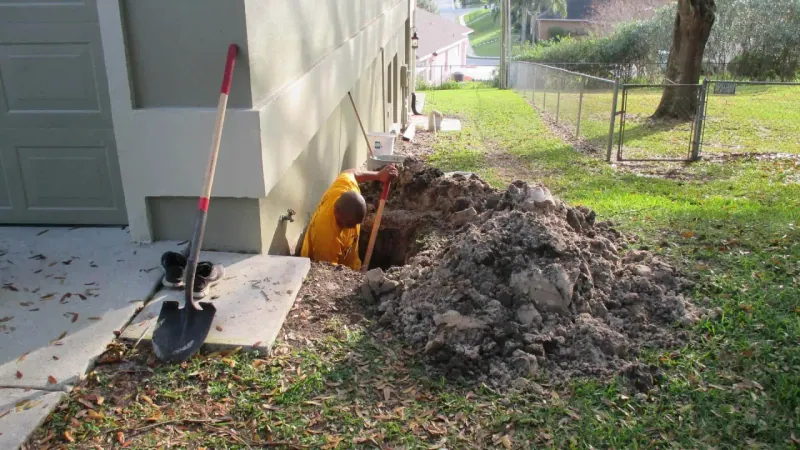
Get a Real Quote Before Any Work Starts
Have somebody walk your house, count the fixtures, look at what is actually in the walls, and hand you a written number before a tool comes out. That goes for us and for whoever else you call. Compare quotes on what is included, not only on the total: drywall repair, the permit, fixture shutoffs and the warranty are where two numbers that look the same stop being the same.
A repipe is one large bill, which is the situation financing exists for. Ask about it while we are quoting rather than afterwards. You can also book an assessment online or call (863) 667-6364.
What the Job Looks Like, Day by Day
Bob Vila puts the range at anywhere from a few days to a few weeks depending on the size of the house and the scope of the work. A straightforward single storey house with attic access sits at the short end of that. Here is the shape of it.
- Walk-through and quote. We map every run, count fixtures, and put the number in writing. The permit gets pulled before anyone starts.
- Cover and open up. Furniture comes off the walls, floors get protected, and access holes are cut where the new lines need to pass. This is the dusty day.
- Run the new lines. New pipe goes in, usually routed through the attic rather than back under the slab, with a shutoff at each fixture so a future repair never means killing water to the whole house.
- Tie in and pressure test. The new system connects to the meter and the water heater, then gets pressure tested before anything is closed up.
- Inspection. The county or city inspector signs off while the work is still open.
- Close up and clean up. Drywall patched, everything put back, and a final run through every fixture with you.
How Long Is the House Without Water?
Not the whole project. Water goes off in blocks while lines are cut and tied in, and comes back on in between. Most people stay in the house through a repipe. Ask your plumber for the shutoff plan for each day before work starts and plan around it: run the dishwasher the night before, fill a couple of jugs, and know which bathroom is live.
The mess is a bigger deal than the water. Expect noise, drywall dust, and rooms you cannot use while a crew is working in them. Clear the walls and closets they need to reach and the whole thing moves faster.
Repiping in Lakeland
Lakeland has a lot of house stock in the two windows that matter here: pre-1980 galvanized, and the late 1970s to mid 1990s polybutylene era. Dixieland, Cleveland Heights, South Lake Morton and the older streets off South Florida Avenue are full of the first kind, and the subdivisions built out toward the Polk Parkway are where the grey plastic turns up.
Our Lakeland work runs the full range, from a two bathroom bungalow to houses where the supply lines were buried in the slab and we routed the new system overhead through the attic instead. If you have had one slab leak repaired and a second one is starting, that is usually the moment a repipe stops being optional. More on what we do across the city on our Lakeland plumbing page.
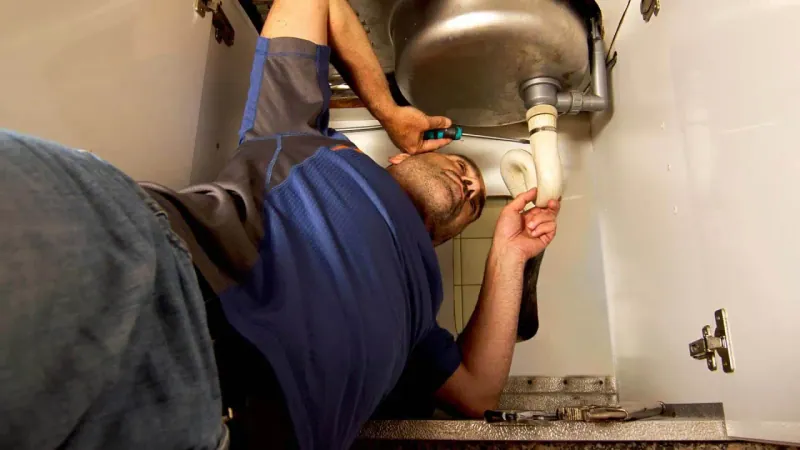
Repiping in Plant City
Plant City is our home base, so a repipe here is a short drive and we can usually get someone out to look the same week. The housing mix is different from Lakeland: more older single storey homes around the historic core and along the Alexander Street corridor, plus a lot of houses on well water out toward Turkey Creek and Knights.
Well water changes the picture. Iron and hardness are harder on pipe and fixtures than treated city water, so when we repipe a well-supplied house we look at water treatment at the same time. Putting new pipe on untreated water is a slower version of the same problem. Full details on our Plant City plumbing services.
Permits and Inspection in Polk and Hillsborough Counties
A repipe is permitted work. Polk County's building division cites Section 105.1 of the Florida Building Code, which requires a permit to "erect, install, enlarge, alter, repair, remove, convert or replace any [...] plumbing system." The county adds that separate plumbing permits may be required even where a building permit is not.
Which office issues it depends on your address. Unincorporated Polk County goes through the county office in Bartow. Inside Plant City limits it goes through the City of Plant City building division, which requires a separate plumbing permit. We pull the permit and schedule the inspection as part of the job.
If a contractor offers to skip the permit to save you money, that is the whole review you need of that contractor. Unpermitted plumbing surfaces later, when you sell the house or file a claim, and it costs more then.
Licensed, Insured and Local Since 2009
True Plumbers & AC has been working in Plant City and across Polk County since 2009. We hold Florida plumbing license CFC1428965 and HVAC license CRC1335717, and we are fully insured for repiping work.
Ask any repiping contractor for their license number and check it. Ask what the warranty covers and whether it sits on the pipe, the labour, or both. Ask who patches the drywall. You can watch real Central Florida jobs on video, read what customers say on our reviews page, or read our longer piece on what to know before repiping your home.
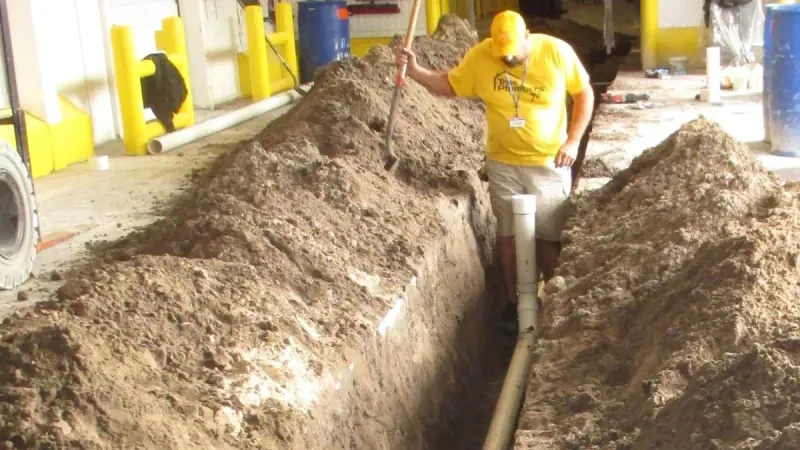
Related Work We Handle
A repipe usually starts with something else going wrong. These are the calls that most often turn into a repiping conversation:
- Leak detection when you can see the water bill climbing but not the leak.
- Slab leak repair for supply lines running under the concrete.
- Emergency plumbing when a line has already let go.
- Water heater repair and replacement, often worth doing while the water is already off.
- Drain cleaning for the waste side, which a supply repipe does not touch.